
As an Amazon Associate, we earn from qualifying purchases.
If your gluten-free loaves keep coming out dense, sunken in the middle, or gummy at the bottom, the recipe may not be the problem. The machine might be. Many bread makers have a “gluten-free” button, but the cycle behind it often runs extra kneading, a punchdown, or a second rise. Gluten-free dough can’t handle that.
We dug into manufacturer specs, side-by-side tests from dedicated gluten-free bakers, and patterns in verified buyer feedback to find the best bread machine for gluten free bread at every budget.
Our quick picks:
- Best overall: Zojirushi Home Bakery Virtuoso Plus
- Best value: Hamilton Beach Digital 29890
- Best under $100: VEVOR 15-in-1 with ceramic pan
Quick Comparison: Best Gluten-Free Bread Makers
| Model | Best for | Gluten-free setting | Paddles | Price |
|---|---|---|---|---|
| Zojirushi Virtuoso Plus (BB-PDC20) | Best overall | Yes, plus homemade memory | 2 | Check price |
| Panasonic SD-R2550 | Lightest loaves | Yes | 1 | Check price |
| Hamilton Beach 29890 | Best value | Yes | 1 | Check price |
| VEVOR 15-in-1 (ceramic) | Under $100 | Yes | 1 | Check price |
| KITCHENARM 29-in-1 SMART | Most programs | Yes, plus homemade menu | 1 | Check price |
| Neretva 20-in-1 | Budget backup | Yes | 1 | Check price |
Why Gluten-Free Bread Needs a Different Machine Cycle
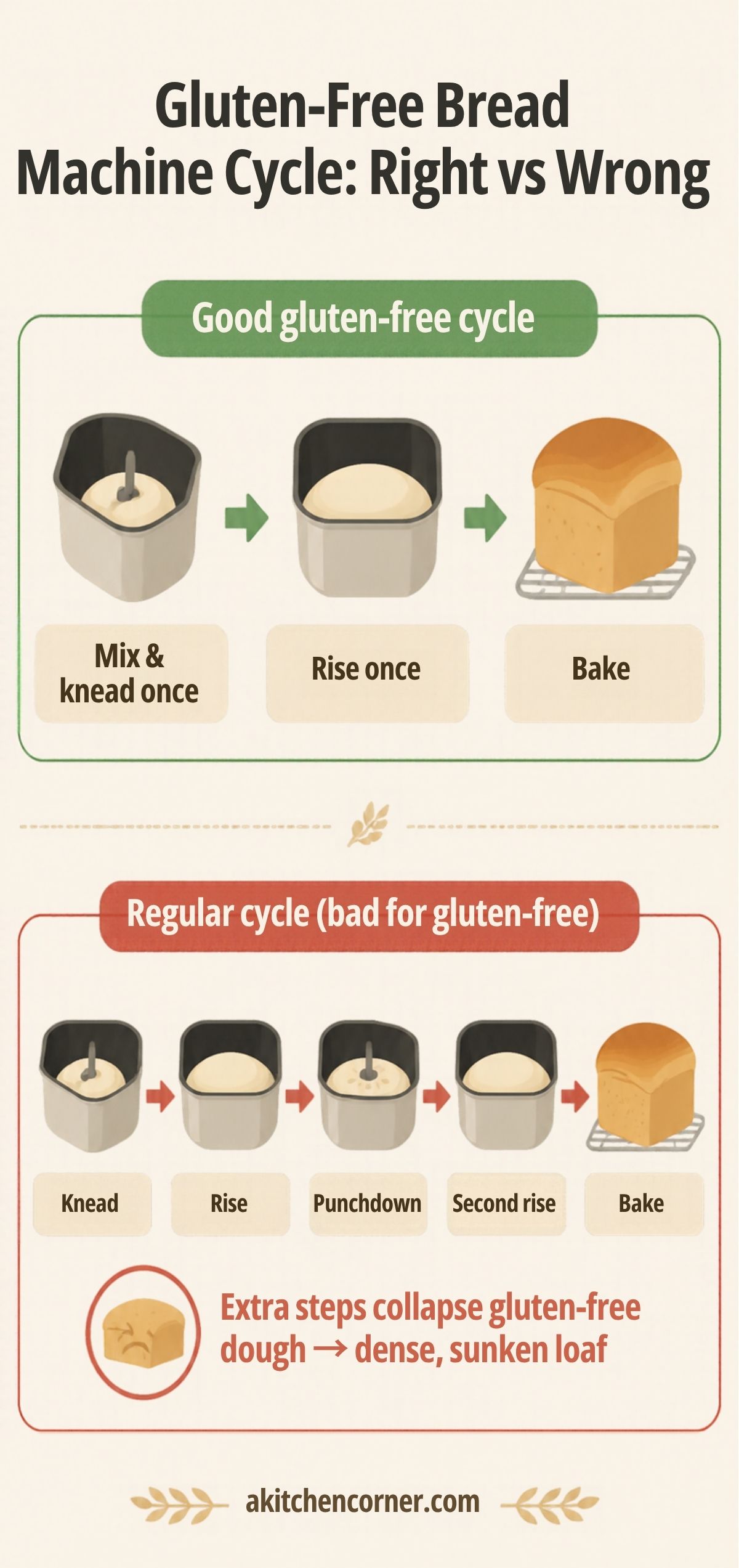
Regular bread depends on gluten, a stretchy protein network that traps gas and holds the loaf up. That’s why a standard cycle kneads hard, lets the dough rise, knocks it back (the punchdown), and then lets it rise again. All of that builds structure.
Gluten-free dough works differently. It’s closer to a thick batter, and its structure comes from starches and binders like xanthan gum or psyllium husk. Long kneading doesn’t help it, and a punchdown hurts it. Every time the dough is knocked down, it loses gas it can’t fully rebuild. You end up with a short, heavy loaf.
A good gluten-free cycle looks like this:
- Mix and knead once, just long enough to fully combine the ingredients
- Rise once, with no punchdown
- Bake long enough to set the center
This is why we weigh the quality of a machine’s gluten-free cycle more than the number of programs on the box. Gluten-free specialists such as gfJules have found that some machines with a “gluten-free” button still include steps that flatten the loaf. Their workaround is a custom (homemade) program, where you set the knead, rise, and bake times yourself.
A simple doneness check helps too. Gluten-free baking specialists recommend checking the center with an instant-read thermometer, aiming for roughly 205°F, before you take the loaf out.
How We Chose These Machines
We haven’t run our own lab tests on every machine here. Instead, we built this list from:
- Manufacturer specs and manuals, to confirm what each gluten-free cycle actually does
- Side-by-side tests published by gluten-free bakers, where several machines baked the same mix
- Patterns in verified buyer reviews, focused on people who bake gluten-free regularly
We scored each machine on:
- A gluten-free cycle with a single rise and no punchdown
- Custom programming or a bake-only mode
- Pan shape and paddle design
- A removable paddle and an easy-release pan
- Loaf size, cleanup, and overall value
Where a detail still needs checking, we say so rather than guess.
The 6 Best Bread Machines for Gluten-Free Bread
1. Zojirushi Home Bakery Virtuoso Plus (BB-PDC20) – Best Overall
If you bake gluten-free bread every week, this is the machine many experienced gluten-free bakers treat as the benchmark. It bakes a horizontal 2-lb loaf with two kneading blades, so the dough mixes evenly from end to end. Gluten-free batter is sticky and tends to leave dry flour in the corners, so that matters.
Why it works for gluten-free:
- A dedicated gluten-free course
- Homemade memory settings, so you can save your own knead, rise, and bake times once you find a recipe you love
- A heating element in the lid, designed to brown the top crust more evenly
Pros
- Even mixing with dual paddles
- Classic horizontal loaf shape that slices well for sandwiches
- Custom cycles give you full control over gluten-free recipes
- Strong reputation for build quality and long life
Cons
- One of the most expensive bread machines you can buy
- Large footprint on the counter
- The gluten-free preset may still need fine-tuning for some flour blends
Best for: People who eat gluten-free every day and want one machine that will last for years.
Looking at other Zojirushi models, like the compact Mini? See our Zojirushi bread maker review.
2. Panasonic SD-R2550 – Best for Light, Airy Loaves
The Panasonic SD-R2550 earned attention in a side-by-side test by a gluten-free baking specialist, where it produced the lightest loaf of the three machines tested with the same mix. If your biggest frustration with gluten-free bread is density, that’s a strong sign.
Why it works for gluten-free:
- A gluten-free program that handled a single-rise loaf well in independent testing
- A middle price point, well below the Zojirushi
Pros
- Light, open crumb in published gluten-free tests
- Mid-range price
- From a long-standing bread machine brand
Cons
- Costs more than the budget picks on this list
- Single paddle, so you may need to scrape the corners early in the mix
Best for: Bakers who care most about a lighter, airier gluten-free loaf and don’t want to pay Zojirushi prices.
3. Hamilton Beach Digital 29890 – Best Value
Hamilton Beach shows up again and again as a budget-friendly pick for gluten-free baking, and buyers often single out its gluten-free setting. One caution: model numbers matter here. Gluten-free bakers have praised the 29890, while some other Hamilton Beach models haven’t performed as well with gluten-free dough. Double-check the model number before you buy.
Why it works for gluten-free:
- A gluten-free setting that buyers and testers rate well
- Simple controls that suit beginners
Pros
- Low price for a machine with a reliable gluten-free setting
- Easy to use, with a short learning curve
- Compact enough for smaller kitchens
Cons
- The top of the loaf can bake unevenly. Smoothing the dough with a wet spatula before the rise helps.
- Fewer advanced settings than premium machines
- Some buyers report it struggles with very thick doughs
Best for: First-time gluten-free bakers who want good results without a big investment.
For a closer look at Hamilton Beach’s lineup, see our Hamilton Beach bread maker review.
4. VEVOR 15-in-1 (3 lb, Ceramic Pan) – Best Under $100
The VEVOR 15-in-1 offers a gluten-free setting, a large 3-lb capacity, and a ceramic-coated pan at a price that’s hard to beat. A gluten-free baking specialist named it the best-priced gluten-free bread maker in their testing, which is notable for a machine in this price range.
Why it works for gluten-free:
- A gluten-free program that performed well in independent testing
- A ceramic pan that helps sticky gluten-free loaves release cleanly
Pros
- Very affordable
- Large capacity for families
- Ceramic pan is a good alternative to traditional nonstick
Cons
- A shorter track record than long-established brands like Zojirushi
- Larger body takes up counter space
- Make sure you buy the 15-in-1 ceramic version; other VEVOR models differ
Best for: Budget shoppers who still want a machine that takes gluten-free bread seriously.
We’ve also covered VEVOR’s 19-in-1 model in our VEVOR bread maker review. For more budget options, see our guide to the best bread machines under $100.
5. KITCHENARM 29-in-1 SMART – Most Programs
If you like options, the KITCHENARM 29-in-1 gives you plenty: 29 menus, including a gluten-free program and a homemade (custom) menu. That custom menu matters most here. It lets you build the one-knead, one-rise cycle gluten-free dough needs if the preset doesn’t suit your recipe.
Why it works for gluten-free:
- A dedicated gluten-free menu
- A custom homemade menu for fine-tuning
- A mid-range price for this many features
Pros
- Very flexible programming
- Up to a 2-lb loaf
- Popular with home bakers
Cons
- So many menus can feel overwhelming at first
- Single paddle, so scrape the pan corners during the first few minutes of mixing
Best for: Bakers who want room to experiment with gluten-free recipes and other breads.
Read our KITCHENARM bread maker review.
6. Neretva 20-in-1 – Budget Backup
The Neretva 20-in-1 is a low-cost option worth considering if the picks above are sold out or over budget. It covers the basics well and comes up often in budget bread machine roundups.
Its 20 presets include a dedicated gluten-free program.
Pros
- Low price
- Simple to operate
- Plenty of preset programs
Cons
- Less evidence of strong gluten-free results than the other picks
- You may need a custom approach for the best gluten-free loaves
Best for: Occasional gluten-free bakers on a tight budget.
Read our Neretva bread maker review.
What About Cuisinart?
Cuisinart bread makers are popular, and some models include a gluten-free setting. However, gluten-free testers have reported weak results from the gluten-free preset on at least one Cuisinart model, while the same machine did well with a custom program. If you already own one, try building your own single-rise cycle. If you’re buying new specifically for gluten-free bread, the picks above are safer bets. Learn more in our Cuisinart bread maker review.
Buying Guide: How to Choose a Bread Machine for Gluten-Free Bread
A true gluten-free cycle (one rise, no punchdown)
This is the single most important feature. Check the manual or product page for what the gluten-free cycle actually does. Look for one mixing phase, one rise, and a bake, with no punchdown in between.
Custom or homemade programming
A custom program lets you fix a weak preset. It’s also how many experienced gluten-free bakers get their best loaves. A bake-only mode is a bonus: if a loaf comes out underdone, you can give it extra time.
Pan shape and paddles
Horizontal pans with two paddles, like the Zojirushi, mix more evenly and bake a traditional loaf shape. Vertical pans with a single paddle are common on cheaper machines. They work, but you’ll often need to scrape the corners with a spatula early in the mix.
Removable paddle and easy-release pan
Gluten-free loaves are delicate, and a paddle stuck in the bottom can tear a big hole. Look for a paddle that’s easy to remove, and a nonstick or ceramic pan that releases cleanly.
Loaf size
Most households do well with a 1.5- to 2-lb loaf. Gluten-free bread stales faster than wheat bread, so a smaller loaf you finish quickly may suit you better than a huge one.
Model numbers matter
Within the same brand, gluten-free results can vary a lot from one model to another. Always confirm the exact model number before buying, especially with Hamilton Beach and VEVOR.
A dedicated machine if you have celiac disease
If someone in your home has celiac disease, cross-contact with wheat flour is a real concern. Gluten can linger in pan seams, paddle shafts, and vents. Research summarized by the Celiac Disease Foundation suggests that thorough washing greatly reduces gluten transfer from shared kitchen tools. Bread machines are harder to clean than a knife or pot, though, so many celiac households keep one just for gluten-free baking.
Tips for Better Gluten-Free Bread in a Bread Machine
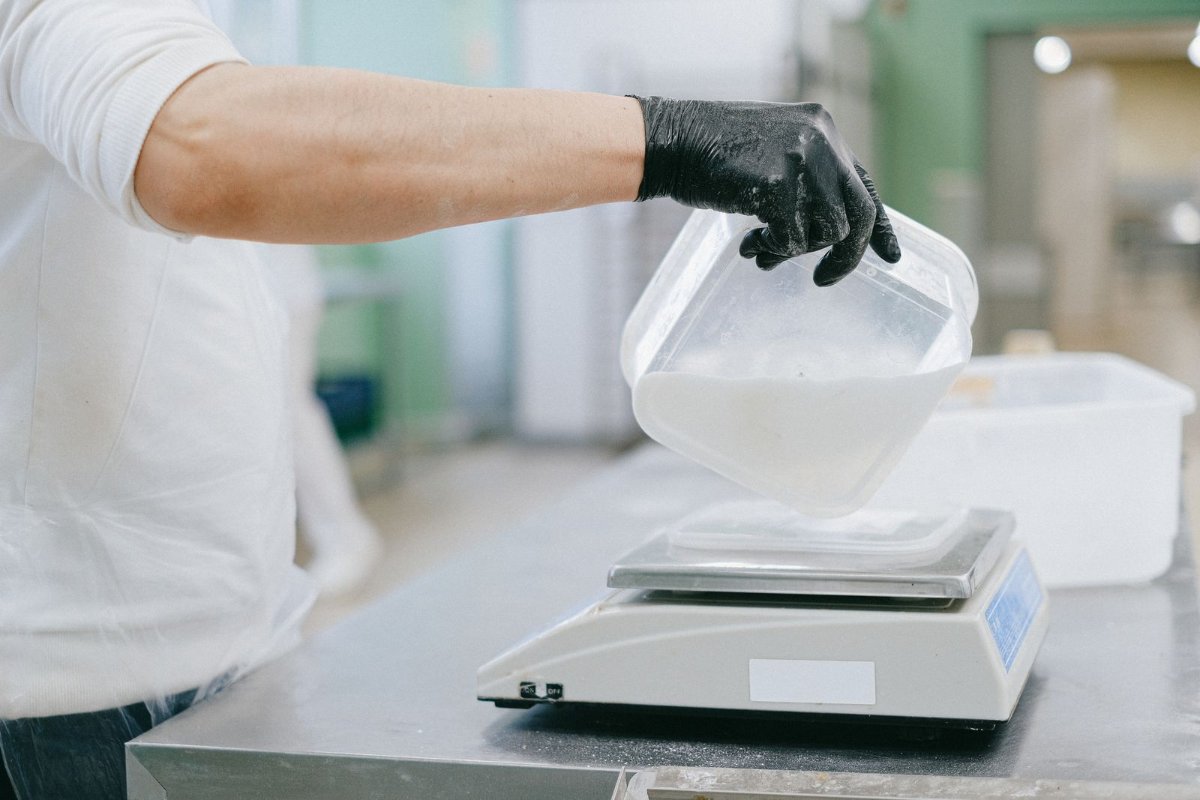
- Weigh your ingredients. Gluten-free flours vary a lot in density, so grams are far more reliable than cups.
- Follow the manufacturer’s ingredient order. Most machines want liquids first, then dry ingredients, with yeast added last.
- Scrape the corners. In the first few minutes of mixing, use a silicone spatula to push dry flour from the corners into the batter.
- Smooth the top. Before the rise, smooth the dough with a wet spatula for a more even, rounded top.
- Remove the paddle if you can. Some machines let you pull the paddle out before baking, which avoids a hole in the bottom of the loaf.
- Check the internal temperature. If the center isn’t done, use bake-only mode for extra time.
- Let it cool completely. Gluten-free bread keeps setting as it cools. Slicing it warm makes it gummy.
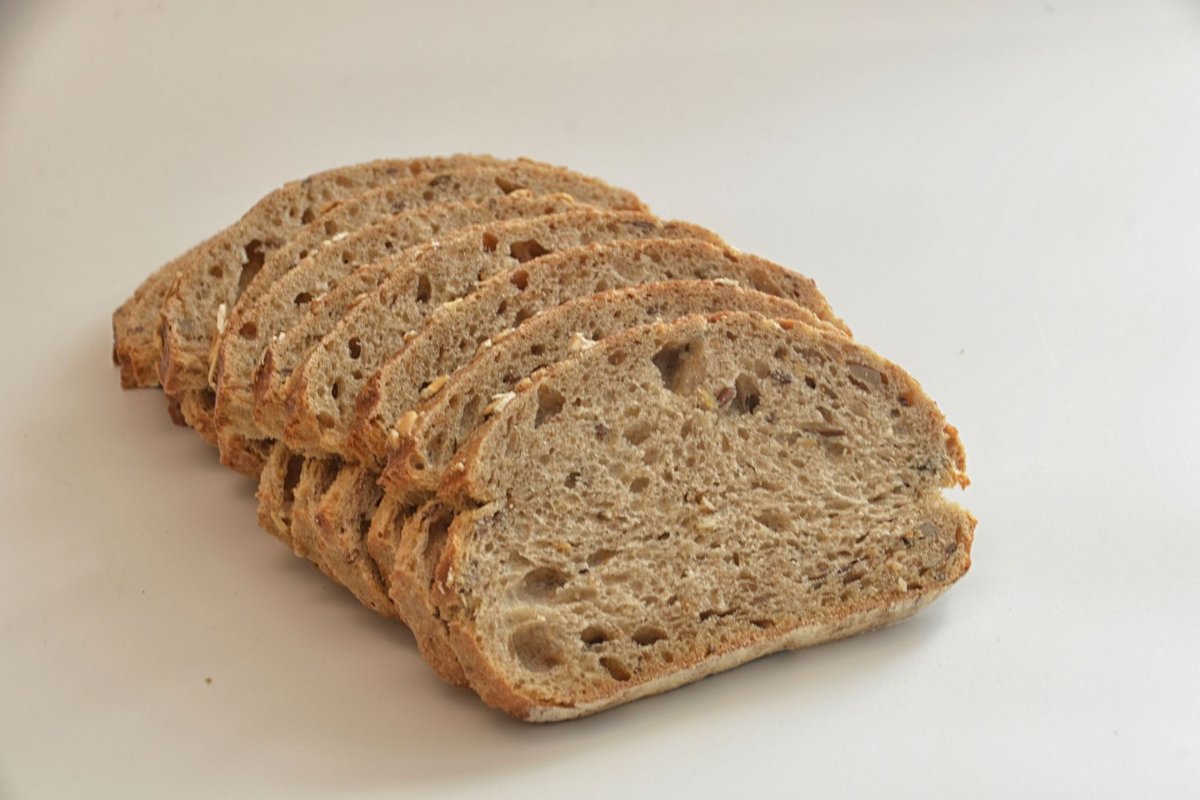
Best gluten-free flour for a bread machine
Choose a gluten-free flour blend made for bread or yeast baking. It should include a binder such as xanthan gum or psyllium husk. All-purpose gluten-free blends meant for cookies and cakes often make crumbly bread, so check the label for “bread” or “yeast baking”.
Using a gluten-free bread mix
If you’re new to gluten-free baking, a boxed gluten-free bread mix is the easiest way to learn your machine. It removes the guesswork, so if a loaf fails, you know the cycle is the problem, not the recipe.
FAQ
What is the best gluten free bread maker?
For most people, the Zojirushi Home Bakery Virtuoso Plus is the best gluten-free bread maker thanks to its dual paddles, gluten-free course, and custom memory settings. On a budget, the Hamilton Beach 29890 and the VEVOR 15-in-1 with ceramic pan are strong, lower-cost choices.
Do I need a bread maker to make gluten-free bread?
No. You can bake gluten-free bread in a loaf pan in your oven. A bread machine simply makes it more hands-off and consistent, as long as its gluten-free cycle uses a single rise.
Can I use the regular cycle for gluten-free bread?
Usually not. Regular cycles include long kneading, a punchdown, and a second rise, which tend to collapse gluten-free dough. Use the gluten-free setting, or a custom cycle with one mix and one rise.
Why is my gluten-free bread dense or sunken in the bread machine?
The most common causes are a cycle with too many rises, measuring flour by volume instead of weight, too much liquid, or a loaf that isn’t fully baked in the center. Switch to a single-rise cycle, weigh your ingredients, and check the internal temperature before removing the loaf.
Should I have a separate bread machine if I have celiac disease?
If you have celiac disease, a dedicated gluten-free machine is the simplest way to avoid cross-contact. Thorough washing removes most gluten from shared tools, but flour can hide in a bread machine’s pan seams and around the paddle shaft.
Can I make gluten-free bread without xanthan gum in a bread machine?
Yes. Psyllium husk is a popular alternative and often gives a chewier, more bread-like texture. Just use a recipe written for psyllium, since the amounts aren’t the same as xanthan gum.
Final Verdict
The best bread machine for gluten free bread isn’t the one with the most buttons. It’s the one with a cycle that treats gluten-free dough gently: one mix, one rise, and a thorough bake.
- Best overall: Zojirushi Home Bakery Virtuoso Plus, for even mixing, custom cycles, and long-term reliability
- Best value: Hamilton Beach 29890, a proven gluten-free setting at a friendly price
- Best under $100: VEVOR 15-in-1 with ceramic pan, a well-tested budget pick
If you bake gluten-free often and can stretch your budget, the Zojirushi is the one we’d choose.
Leave a Reply