
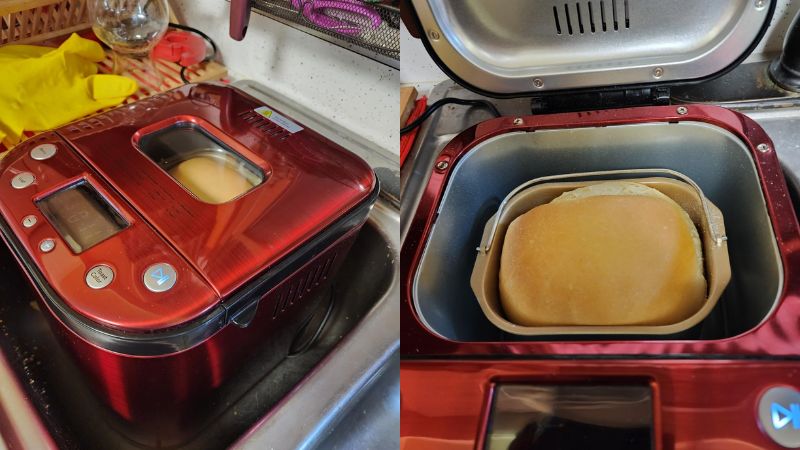
When I went looking for a new bread machine, I didn’t expect to fall for the CULINARY CHEF Bread Maker (also sold under Frigidaire). But after weeks of experimenting with different doughs, testing multiple cycles, and digging through every little quirk this machine has, I can honestly say it has been a pleasant surprise. This CULINARY CHEF Bread Maker Machine Review reflects my real experience — the good, the bad, and everything in between.
What stood out right away was how elegant the machine looks. The stainless steel design is clean and modern, and the oblong baking pan caught my attention immediately. I had used a traditional vertical loaf bread maker for years, so this shape felt like a big upgrade.
Below is my full breakdown of how this machine performed in real kitchen use, how I worked around the confusing parts of the culinary chef bread maker manual, and what kind of results I got from different recipes.
Key Features of the CULINARY CHEF Bread Maker
| Category | Details |
|---|---|
| Model Name | Culinary Chef Bread Maker Machine |
| Capacity | 2 lb loaf |
| Programs / Settings | 19+ presets (Basic, Whole Wheat, French, Dough, Cake, Jam, Gluten-Free, Custom, etc.) |
| Display & Controls | Large LCD screen, intuitive buttons, simple navigation |
| Key Features | Delay timer, keep-warm mode, nonstick pan, viewing window, customizable crust settings |
| Who It’s Best For | Beginners, busy families, and home bakers who want hands-off bread making |
| Included Items | Bread pan, kneading paddle, measuring tools, Culinary Chef bread maker manual |
| Price Range | CHECK PRICE ON AMAZON |
While many people look up culinary chef bread maker machine review youtube videos to compare performance, I found real-life testing to be more helpful. And despite a few quirks, this machine handled everything I threw at it.
My Experience Using the CULINARY CHEF Bread Maker
1. First Impressions and Set-Up
When I unboxed the machine, the first thing that struck me was its appearance. It’s genuinely beautiful — the stainless steel finish looks high-end and solid. I ran the recommended empty bake cycle to get rid of the new-machine smell, and that worked perfectly.
After that, I dove into the culinary chef bread maker manual. This is where things got interesting.
The manual is not great. It’s brief, leaves out explanations about several stages of breadmaking, and switches between metric and imperial measurements. Water is listed in milliliters, but flour and other ingredients are in cups. That can be confusing for beginners, but since I already bake fairly often, it wasn’t a dealbreaker. I quickly learned to ignore the recipe section and rely on my own culinary chef bread maker recipes instead.
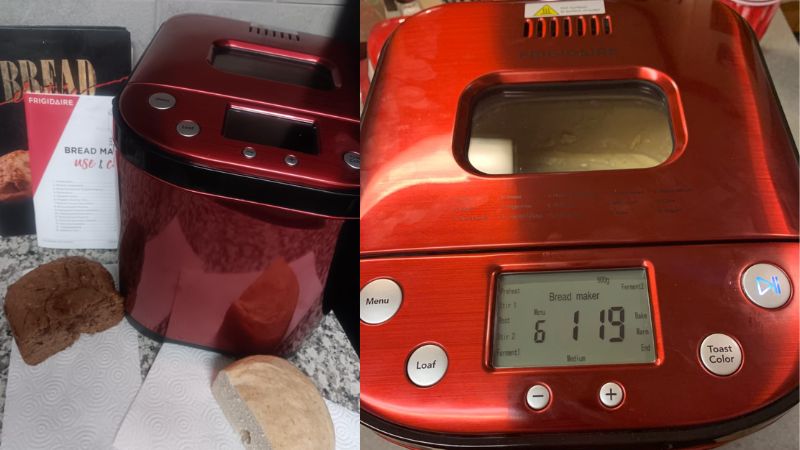
Once I understood which program did what, the machine was extremely easy to use. The control panel is straightforward, though the screen is small and not very bright. It’s readable, but only if you stand directly in front of it.
2. Performance and Baking Results
This is where the CULINARY CHEF machine really impressed me.
Over the course of a few weeks, I baked several different loaves:
-
A Cottage Dill loaf from my old recipe book
-
A Banana Walnut Chocolate Chip loaf
-
Multiple white bread loaves
-
One whole-wheat loaf
-
One experimental sweet bread
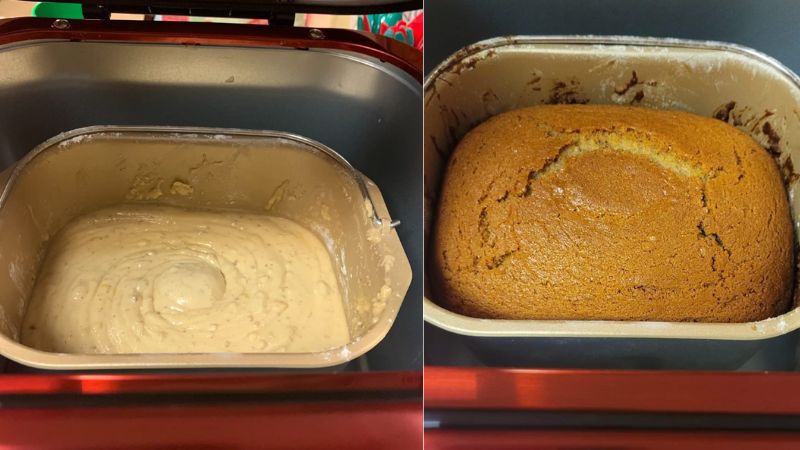
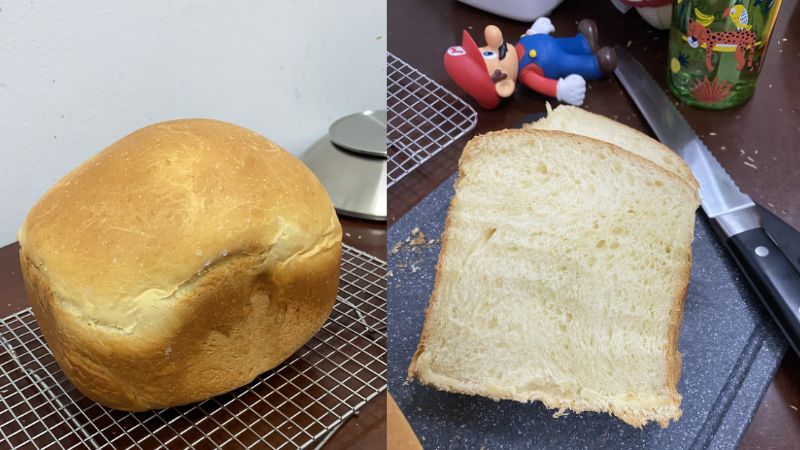
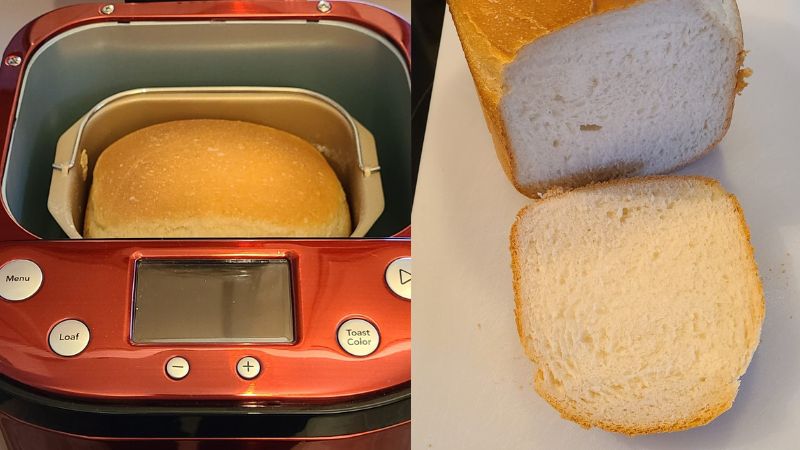
The results were consistently good. Every loaf rose evenly, baked through properly, and came out with a soft texture inside and a nice, firm crust. Even the whole-wheat loaf, which can sometimes turn dense in weaker machines, baked beautifully.
What I appreciated most:
-
The machine is very quiet — noticeably quieter than my previous Hamilton Beach model.
-
The kneading is strong but smooth, and most of the time, the machine stayed in place without shifting or vibrating.
-
The nonstick pan works flawlessly; every loaf slid right out without effort.
-
The paddle is metal, which feels sturdy and more reliable long-term.
3. A Note About Vibration
I did experience one issue on the second use. During one dough cycle, the machine vibrated enough that it moved on the counter and eventually fell — the hinge fractured slightly, and I had to tape it shut for that baking session. Interestingly, this did not happen again. I kept using it afterward and had no more vibration problems.
I believe it may depend on the type of countertop surface. If you have a slippery counter, adding a silicone baking mat or rubber pad underneath the machine can completely prevent movement.
4. Using the Screen and Buttons
The only part I truly struggled with was the display.
-
It is small
-
The backlight turns off quickly
-
It can be hard to read in low lighting
However, the menu button lights up the display briefly, so I got used to pressing it whenever I needed to double-check a setting.
Another quirk: during the baking phase, the buttons cycle their lights on and off. The manual never mentions this, so the first time it happened, I thought something was wrong. After searching online, I learned it’s completely normal.
Pros of the CULINARY CHEF Bread Maker
Based on several weeks of use, here are the strongest positive aspects:
-
Beautiful stainless steel design that looks great on the counter
-
Very quiet operation compared to many machines
-
Nonstick pan releases loaves easily
-
Excellent baking performance and even heat distribution
-
Oblong loaf shape provides a more traditional-looking bread
-
Great value for the price
-
Reliable metal kneading paddle
-
Easy-to-clean bread pan
-
Consistent results once you’re familiar with the settings
These were important enough that they outweighed the manual and display quirks for me.
Cons
While the overall experience is positive, here are the drawbacks I encountered:
-
The manual is vague, includes some incorrect instructions, and mixes measuring systems
-
The LCD display is dim and small
-
The backlight does not stay on
-
The machine may vibrate on certain countertops
-
Recipes in the manual are not very reliable
These issues don’t ruin the machine, but they do mean beginners might need a little patience or an external cookbook.
Who This Bread Maker Is Best For?
After using it for a while, I think the CULINARY CHEF Bread Maker best suits:
-
People who have used bread makers before and want an affordable upgrade
-
Anyone who prefers an oblong, more natural-looking loaf
-
Home bakers who don’t mind learning the settings themselves
-
Families who need larger 2 lb loaves
-
Users who want quiet, stable performance
I wouldn’t recommend it for someone who depends heavily on a bright, readable display or someone who is completely new to bread machines and needs a highly detailed manual.
My Tips for Getting the Best Results
To get the most out of the machine, here’s what helped me:
-
Run a full bake cycle once before your first loaf to remove new-machine odor
-
Use your own recipes or a bread machine cookbook instead of the included ones
-
Convert metric measurements if needed — most measuring cups include both units
-
Place the machine on a secure, non-slippery surface to prevent vibration
-
Don’t rely on the manual’s unclear yeast instructions; always use bread machine yeast
-
Press the Menu button to briefly light the display when checking settings
-
Weigh flour when possible for more consistent loaves
After several weeks of testing, I can say confidently that the CULINARY CHEF Bread Maker is a strong performer where it truly matters: it makes excellent, consistent bread with minimal effort. Despite its imperfect manual and dim display, the machine bakes extremely well, runs quietly, and looks great in the kitchen.
If you’re searching for a good-value machine that delivers reliable results — and you don’t mind figuring out the settings yourself — this model is absolutely worth the purchase. I’m genuinely happy with the loaves I’ve made, and it has earned a permanent place on my countertop.
Leave a Reply