
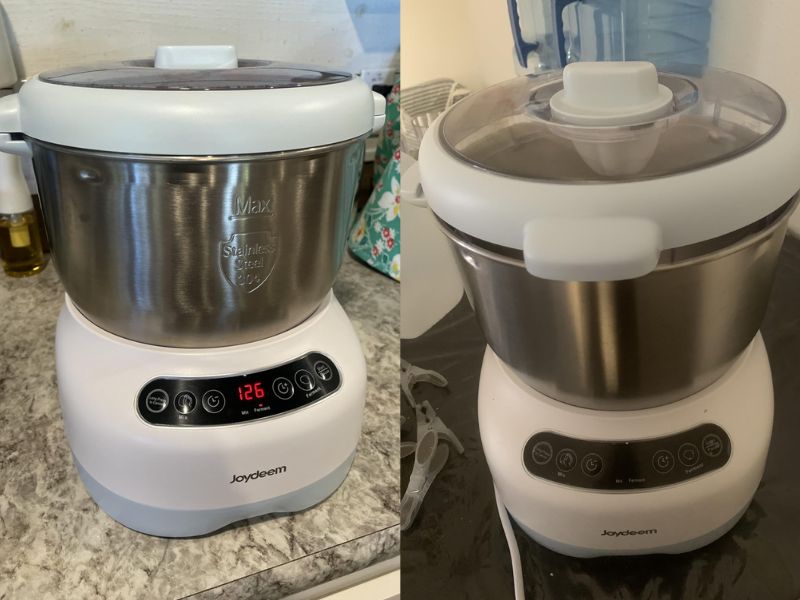
I bought the Joydeem Electric Dough Maker because I was tired of kneading everything by hand — especially dumpling dough and bread dough, which take a lot of arm strength. Before buying, I went through dozens of user reviews.
Many owners said it was powerful, compact, and great for Asian-style doughs, while others said it could shake with heavier dough. After using it intensively for several weeks, trying different types of dough and several recipes, I now have a very clear picture of what this machine can actually do.
Below is my full experience with the machine, combining real performance results, what I learned through trial and error, and all the small details most quick reviews don’t mention.
Joydeem Electric Dough Maker Review – Overview Table
| Category | Details |
|---|---|
| Product Name | Joydeem Electric Dough Maker |
| Best For | Bread dough, dumpling dough, noodle dough, pizza dough, pastry mixing |
| Kneading System | Dual-blade 360° kneading mechanism |
| Capacity | 3.5–5L depending on model (ideal for 300g–1000g flour) |
| Material | Non-stick stainless steel bowl with clear viewing lid |
| Programs | Timer presets, auto kneading, manual control |
| Noise Level | Quieter than a stand mixer; moderate thumping with stiff dough |
| Stability | Stable with soft/medium dough; slight shaking above 800–900g stiff dough |
| Price | CHECK PRICE ON AMAZON |
Key Features of the Joydeem Electric Dough Maker
After using the machine repeatedly, these are the features that genuinely make a difference:
Dual-blade kneading system:
Unlike a bread machine that uses a single paddle, the Joydeem has two strong blades rotating in opposite directions.
This gives the dough a more intense stretch-and-fold motion, which helps gluten develop faster. It’s especially helpful when working with stiff doughs like dumplings or hand-pulled noodles.
Multiple capacity options:
Depending on the specific model, the bowl can handle from 3.5L to 5L. Mine is the mid-size version, and I’ve comfortably kneaded anywhere from 300g to 1,000g of flour. For daily home use, the size is more than enough.
Transparent lid:
A small but surprisingly practical feature. I don’t have to stop the machine to check the dough. I just glance at the texture and hydration while it’s working.
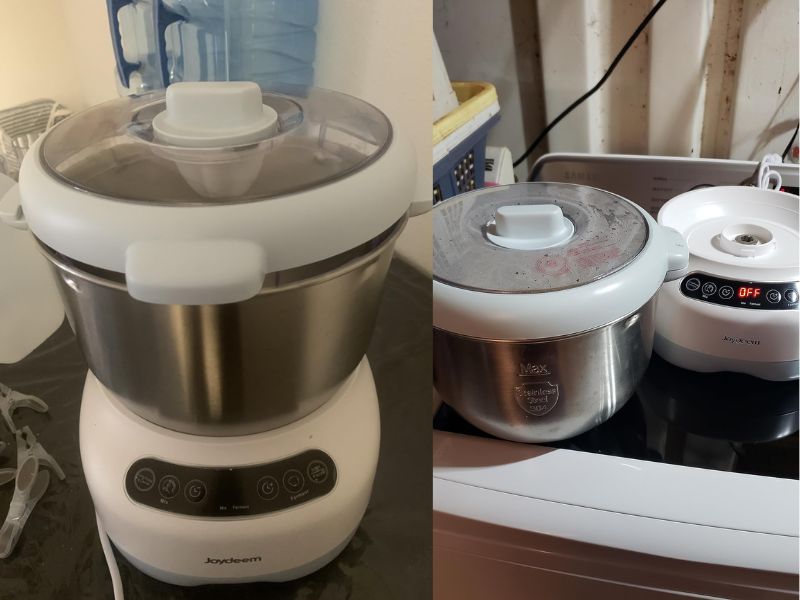
Preset programs and timer:
Although I mostly use manual kneading, the preset timing helps a lot when I want to multitask. I often set it for 8–10 minutes and leave it running while prepping fillings or cleaning.
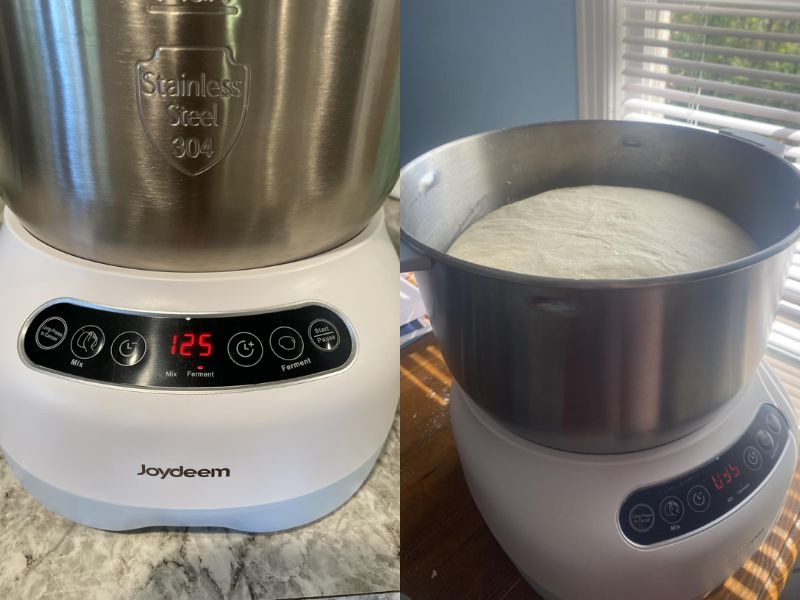
Removable, non-stick stainless bowl:
Flour doesn’t stick much, and even stiff dough peels away cleanly. After kneading, most of the residue wipes off with one pass.
Compact design:
A stand mixer takes a lot of space, but this machine is surprisingly compact. I keep it on the counter permanently without it feeling bulky. This makes me actually use it more often.
My Experience Using the Joydeem Electric Dough Maker Review
Bread Dough
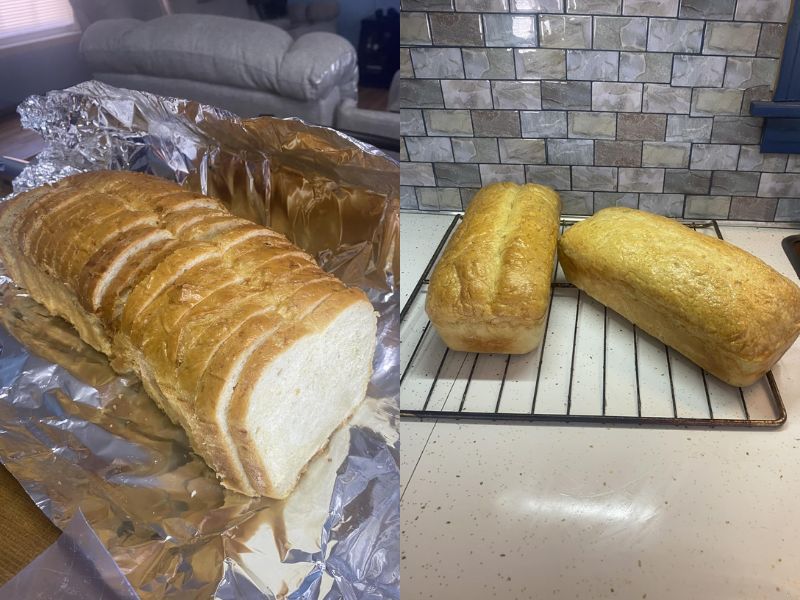
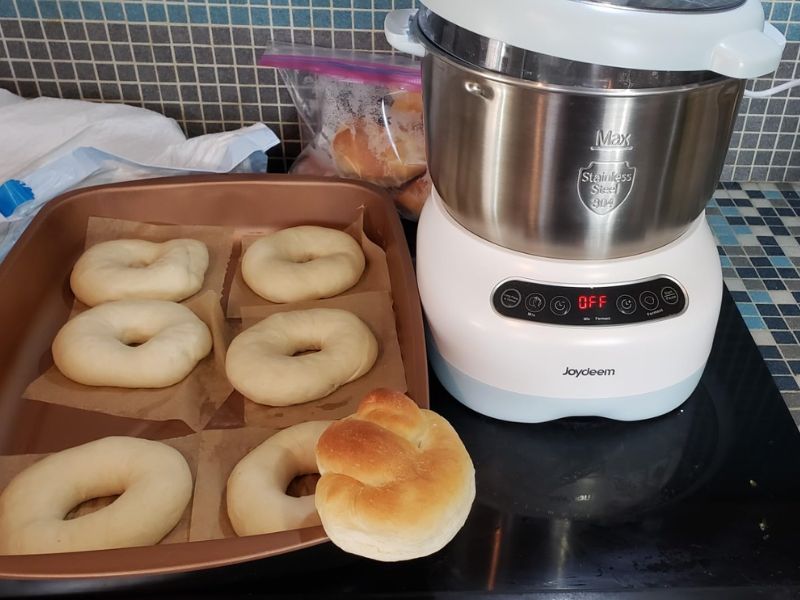
When I tested bread dough for the first time, I used 500g flour. The dough came together quickly, and by the 10–12 minute mark, I could see clear gluten development.
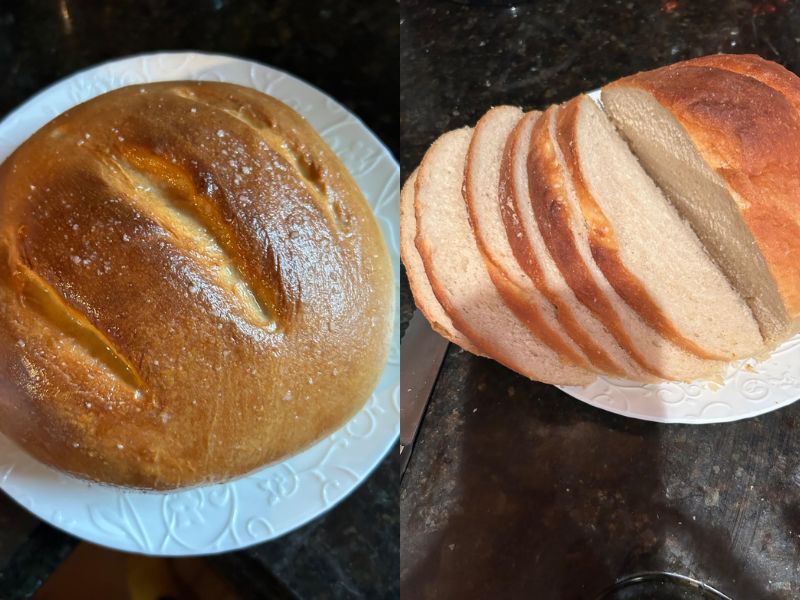
The dough lifted cleanly from the sides of the bowl, and after rising, it baked into a fluffy loaf with a good crumb structure.
When I increased to 900–1000g flour, the machine still managed fine, but I did notice slight shaking on the counter. It wasn’t concerning, but it’s worth mentioning for anyone living in a small apartment or placing the machine near the edge of a counter.
Dumpling Dough
This is where the machine truly shines. Anyone who’s kneaded dumpling dough by hand knows how tough and dense it is. I tested several batches using 400–600g flour. The machine kneaded it surprisingly smoothly and consistently.
The dough came out firm, smooth, and very elastic — exactly what you need for thin dumpling wrappers that don’t tear. Before owning this machine, I needed almost 10–15 minutes of tough hand mixing for this dough; now, it’s finished in under 8 minutes.
Noodle Dough
I tried making hand-pulled noodle dough and also dry-style noodles. Noodle dough is stiffer and takes longer to hydrate properly, so the kneading lasted 10–15 minutes depending on the batch size.
The first time, I accidentally added too little water and the dough wouldn’t fully come together; it just bumped around the bowl. I restarted with a slightly higher hydration and the texture improved immediately.
After resting for 30 minutes, the dough stretched smoothly without tearing — a sign the machine kneaded it well.
Pastry & Cookie Dough
Although the Joydeem isn’t built for creaming butter (the blades don’t whip air like a mixer), it still handled cookie dough well. I made a batch of chocolate chip cookies, and the butter-sugar mixture blended evenly. The bowl doesn’t heat up much, so the dough didn’t melt or become greasy.
Noise
The machine is quieter than my stand mixer. When kneading soft dough, it’s almost gentle. With very stiff dough, there’s a rhythmic thumping sound — not loud, but noticeable. I can still talk on the phone next to it.
Stability
Most reviewers warned that the machine could “walk” on the counter. I experienced this only with stiff dough above 800g flour.
A simple silicone mat underneath solved the issue completely, and now it stays firmly in place.
Cleaning
One of the easiest appliances to clean.
The kneading blades lift right out, the bowl doesn’t trap dough in corners, and I can clean everything in under a minute.
Capacity Tests (My Real Batches)
Here are the actual batch sizes I tested and how the machine handled them:
| Dough Type | Flour Amount | My Result |
|---|---|---|
| Bread dough | 500g | Smooth, elastic, no shaking |
| Bread dough | 900–1000g | Good but mild shaking after 7 minutes |
| Dumpling dough | 400–600g | Excellent, very smooth texture |
| Noodle dough | 500g | Kneads well but needs correct hydration |
| Pizza dough | 600g | Strong, stretchy dough in 8 minutes |
| Cookie dough | 400g | Mixed evenly, no overheating |
Pros and Cons After Extended Use
Pros
-
Strong kneading performance, especially for stiff doughs
-
Handles multiple daily-use dough types easily
-
Bowl rarely overheats
-
Easy to check dough through the clear lid
-
Cleaning is fast and simple
-
Compact design makes it practical for small kitchens
-
Saves a large amount of physical effort
-
Much quieter than most stand mixers
-
Produces consistent results once hydration is correct
Cons
-
Shakes slightly with heavy dough above 900g flour
-
Cannot whip cream or beat egg whites (strictly a dough machine)
-
Not ideal for mixing ultra-small batches (under 200g flour)
-
No heating or rising function
-
Dough hydration accuracy is important — too dry and it won’t knead well
Recipes and What I Learned While Testing
Basic Sandwich Bread
- 500g flour
- 6g yeast
- 30g sugar
- 7g salt
- 300ml warm water
- 30g butter
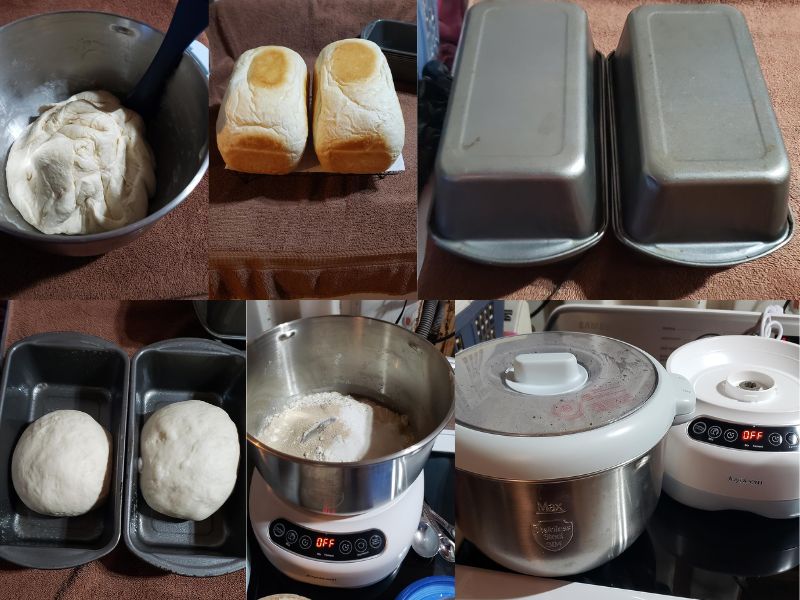
I ran the machine for 10–12 minutes. The dough reached perfect elasticity and passed the windowpane test. This produced a soft loaf with a fluffy interior and even crumb.
Dumpling Dough
- 500g flour
- 260–280ml warm water
- 1 teaspoon oil
This dough took about 7–8 minutes to come together. It turned out smooth and easy to roll thinly. The wrappers cooked chewy but not thick — exactly how I like them.
Hand-pulled Noodles
- 400–500g flour
- 200–220ml water
- Salt to taste
I learned that adding a little more water helps the kneading process. After resting, the dough stretched beautifully without breaking.
Tips for Getting the Best Results
After several trials, these are the tips that made a big difference:
-
Measure water and flour with a scale, not cups. Small hydration differences change everything.
-
Start with low speed for stiff doughs to avoid bouncing.
-
Place a silicone mat under the machine if you’re kneading over 800g of flour.
-
Don’t keep adding flour if the dough looks sticky. A teaspoon of oil works better.
-
Let the dough rest at least 20–30 minutes after kneading for better elasticity.
-
Avoid kneading tiny batches — the dough won’t catch the blades well.
Who I Recommend the Joydeem Electric Dough Maker For
This machine is ideal for:
-
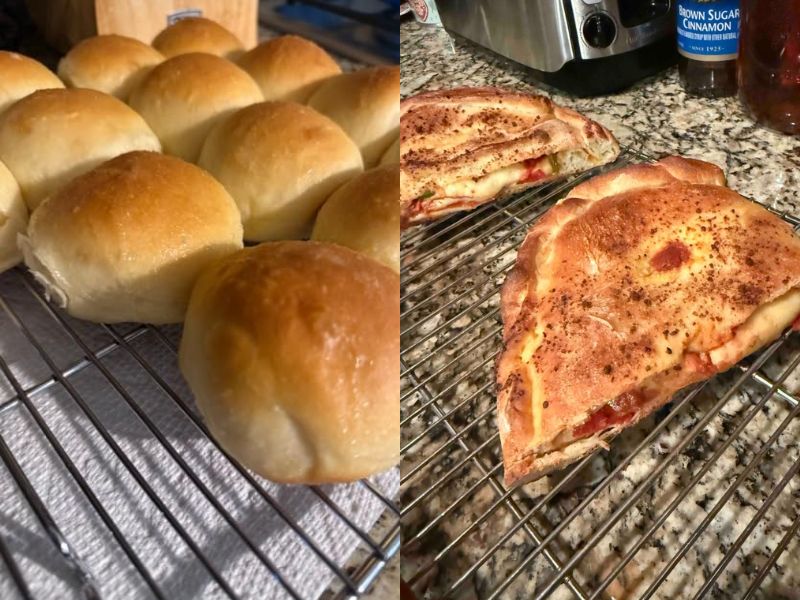
People who regularly make dumplings, mantou, bao, pizza, or bread
-
Anyone who wants a dedicated dough maker instead of a full-size stand mixer
-
Home cooks with limited counter space
-
Beginners who struggle with hand-kneading
-
Families who want consistent dough results with less effort
This dough mixer is not ideal if you want a general-purpose mixer that can whisk or whip.
Final Verdict
After using the Joydeem Electric Dough Maker for several weeks and making many batches of bread, noodles, dumplings, and cookie dough, I can confidently say it’s a powerful and reliable dough kneader. It’s not a multi-purpose mixer, but it does one thing extremely well: kneading dough consistently and efficiently.
It saves a huge amount of time and physical effort, produces reliable textures, and is easy to clean — all of which make it a great choice for everyday home cooking. If you regularly make any kind of dough and want a compact, dependable machine, the Joydeem Electric Dough Maker is absolutely worth considering.
Leave a Reply